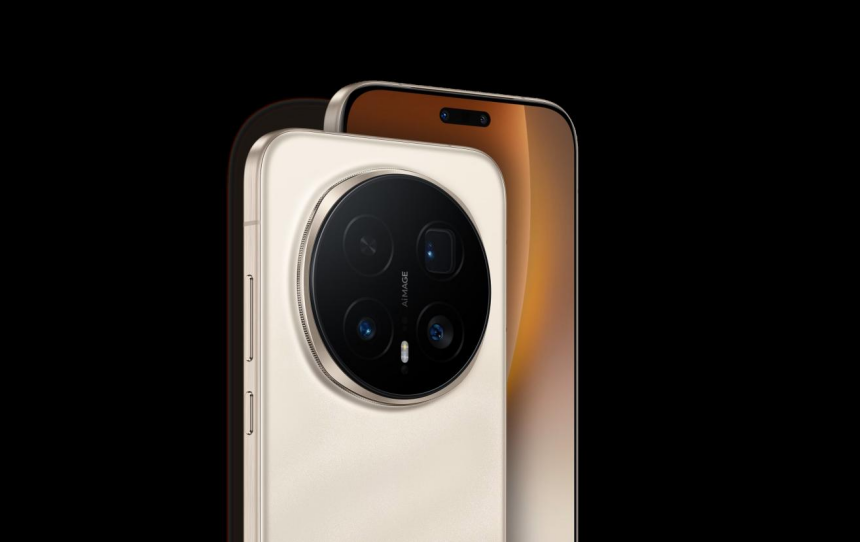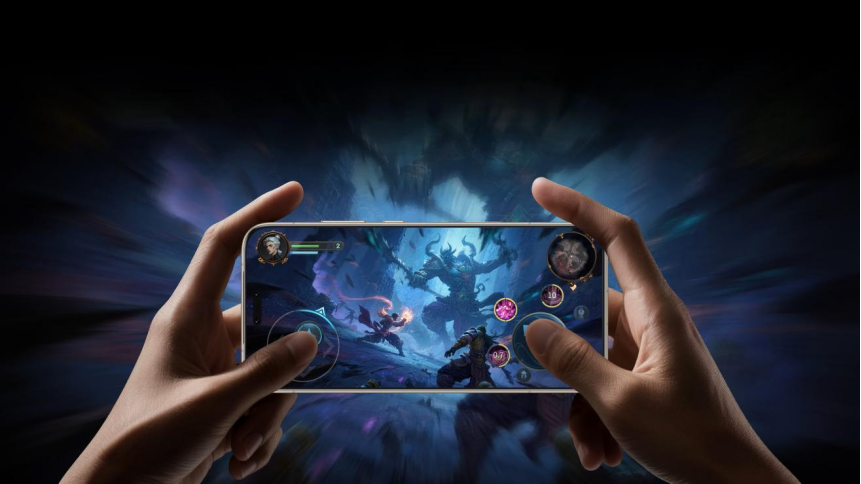
Many users now reach for a smartphone instead of a bulky DSLR when they want sharp photos or smooth video. Powerful camera hardware, AI processing, and social media habits all push this change. A modern flagship phone, such as the HONOR Magic8 Pro, slips into a pocket yet shoots high‑resolution images, stable 4K video, and bright night scenes. People can tap, shoot, edit, and share in seconds, without thinking about lenses or manual settings. DSLR cameras still lead for niche pro work, but most users do not need heavy gear or complex menus. They want tools that fit daily life. As smartphone cameras grow stronger each year, the gap in quality for typical use keeps shrinking fast.
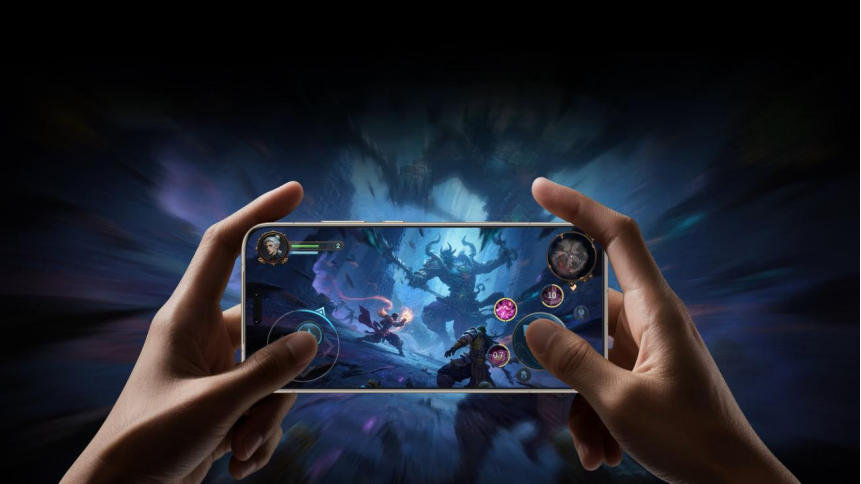
The Rise of Smartphone Photography
Growth of AI and Camera Technology
AI reshapes mobile photography by handling many tasks that once needed skill and experience. The HONOR Magic8 Pro uses AI Enhanced Portrait, Smart Focus, and AI Enhanced Night modes to detect faces, adjust exposure, and sharpen details in real time. The phone can brighten shadows, control highlights, and balance colors across different lighting. OIS and EIS work with AI to stabilize frames and keep moving subjects clear. As chipsets like the Snapdragon 8 Elite Gen 5 grow more powerful, phones can run complex image algorithms instantly on every shot.
Everyday Convenience for Users
Most users want a camera that feels easy, fast, and reliable. A smartphone delivers that through simple interfaces and deep app integration. The HONOR Magic8 Pro smartphone in UK, with MagicOS 10 based on Android 16, lets users open the camera from the lock screen, shoot, edit, and share in one smooth flow. They can scan documents, capture smiles, and trigger the shutter with gestures or a timer. Cloud backup and messaging apps sit one tap away. DSLR owners must pack a bag, charge separate batteries, and transfer files, which slows everyday use.
Key Advantages Over DSLRs
Portability and Instant Sharing
A DSLR plus lenses takes space, adds weight, and draws attention. Many users leave it at home for casual outings. A smartphone like the HONOR Magic8 Pro slips easily into a pocket yet offers a 6.71‑inch OLED display with 1.07 billion colors and FHD+ 1256 x 2808 resolution. This large, bright screen lets users review photos, crop, and fine‑tune details on the go. HDR peak brightness up to 6000 nits keeps the screen clear even in midday sun. After editing, they share to social media, send files to friends, or sync to the cloud instantly via apps. DSLR users usually need a computer and card reader before posting.
Cost and Ease of Use
Buying a DSLR body, several lenses, and accessories can cost more than a flagship smartphone, especially for beginners. Users also face a learning curve with manual controls, focus systems, and file handling. By contrast, the HONOR Magic8 Pro combines camera, phone, and editing workstation in one device. Its intuitive camera modes, such as Portrait, Night, Pro, and Super Macro, guide users to the right settings. AI handles complex tasks like noise reduction and HDR blending. The device also comes with powerful internal hardware: up to 16GB RAM (+16GB HONOR RAM Turbo) and 1TB storage. For most people, this makes smartphone photography cheaper, simpler, and less intimidating than starting with a DSLR.
Role of Flagship Smartphones
Advanced Cameras in HONOR Magic8 Pro
The HONOR Magic8 Pro showcases how advanced phone cameras have become. Its rear system features a 50MP Ultra Night Main Camera with f/1.6 aperture and OIS, a 200MP Ultra Night Telephoto Camera with f/2.6, large 1/1.4” sensor, and 3.7x optical zoom, plus a 50MP Ultra Wide Camera with f/2.0, 122° field of view, and macro support. Users can shoot detailed 16320 x 12288 pixel images in HIGH-RES mode. The front 50MP camera with 3D Depth Camera supports 4K video, giving vloggers and streamers sharp, clear self‑recorded content.
Smart Integration of Hardware and AI
Hardware alone does not explain the HONOR Magic8 Pro’s strength as a DSLR alternative. Its MagicOS 10 system, based on Android 16, integrates camera features deeply with AI. Modes like AI photography, Capture smiles, Gesture control, and Smart Focus automate framing and timing. EIS+OIS stabilization works with AI algorithms to keep both photos and videos steady. The HONOR NanoCrystal Shield on the display helps protect the screen while users shoot in more active conditions. This tight integration turns raw camera power into a smooth, intelligent shooting experience that many casual DSLR users now find hard to match.
Conclusion
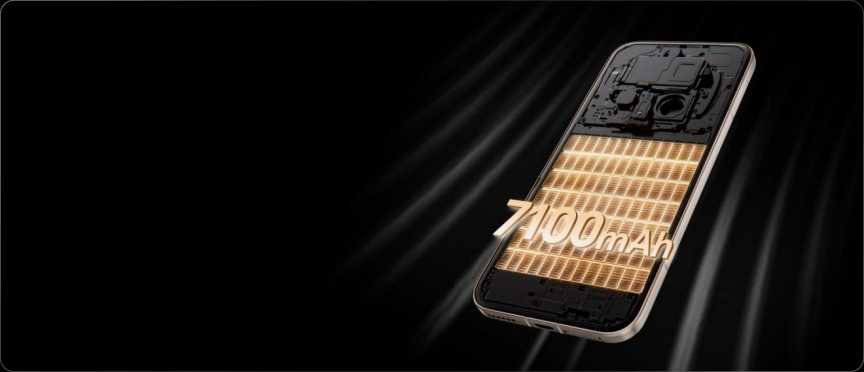
Smartphone cameras are replacing DSLRs for many users because they deliver strong image quality in a compact, always‑ready device. Features like multi‑lens setups, computational photography, and 4K video recording meet most daily needs. People want to capture, edit, and share without carrying extra gear or learning complex controls. Flagship models such as the HONOR Magic8 Pro show how far phone cameras now reach, with advanced AI modes, powerful hardware, and long‑lasting batteries. DSLRs still hold value for certain professional and specialist tasks, but for travel, social media, and everyday life, smartphone cameras now offer the right mix of convenience, cost, and creative power.